

 Composting Should be Affordable and Easy.
Foodster
The best solution for Waste-to-Compost - low cost, scalable and ecological.
The most economical way to turn waste into compost Foodster Kits avaiable for purchase or rental
At Foodster we keep it simple.
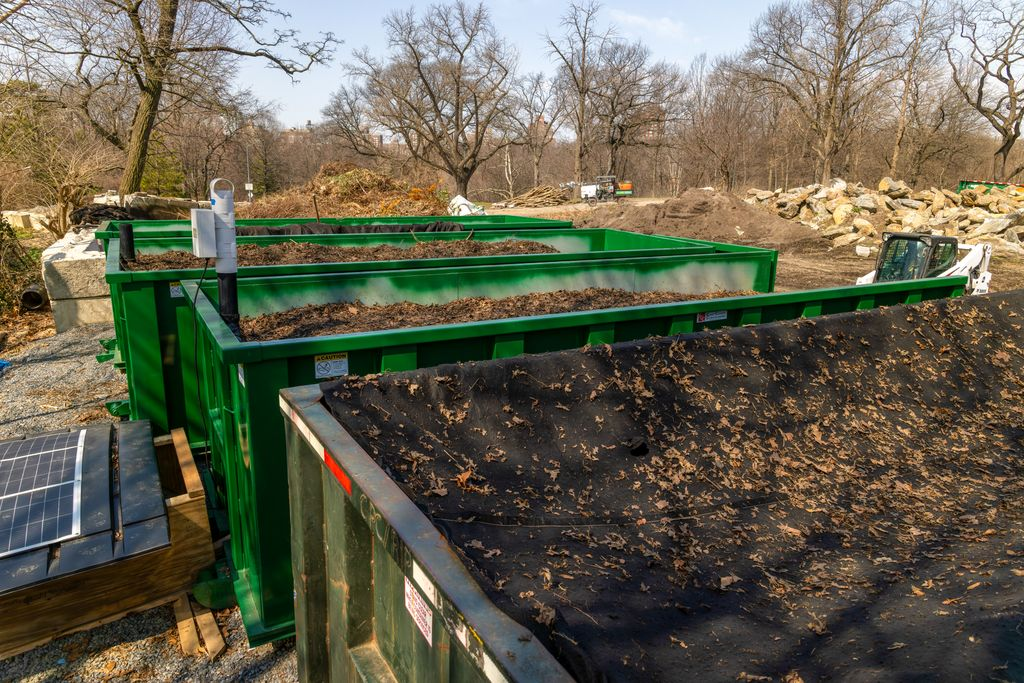
Making use of low cost locally sourced dumpsters, the Foodster aeration composting kit enables restaurants, grocery stores, food processors, cafeterias, universities, hospitals, and any other operation with food waste that must be disposed of a low cost solution that can be scaled to meet demand.
In-Vessel Composting
affordable roll-off dumpsters offer convenience
Scalable
10-40 yards with multiple units
Reduces Logistics
Less Trucking, Less Drivers, Less Fuel
Stops
Rodents, Birds & Odor
Economical
Small upfront investment
No Harm Done
BioFilter - removes odors, Leachate Trap - contains liquids, Solar Powered - compost anywhere
Year-round composting
Best seasonal solution
Remote Monitoring
bluetooth and cellular
How it Works
What Clients Say
"
Perfect solution when the cows were in the feedlot in the winter months. Beautiful compost in a month’s time
""
Easy way to make great compost in 30-days
""
Filling and operating the Dungster Composter could not be easier!. It sits there between our events quietly cooking our manure and bedding at over 150F. From start to finish the raw manure and bedding shrinks in volume by about half.
""
A dairy farm in Upstate New York with 2,000 head installed a double, 30-yard Dungster LLC composter for mortality management.
The farm, desiring to be eco-responsible and a good neighbor, elected to use in-vessel composting instead of the older practice of on-grade composting. In-vessel composting is a valued disposal method especially when biosecurity concerns abound. This is because the heat generated by thermophilic composting destroyed most pathogens. Also, liquid discharge can be managed at the source, and scavenging animals and birds can be denied access. On-grade composting is fought with problems getting a uniform (hot) temperature and keeping the contents sure and liquids out of the ground water. The mortalities, mostly from calving, is a natural occurrence when these total numbers of animals are in play.
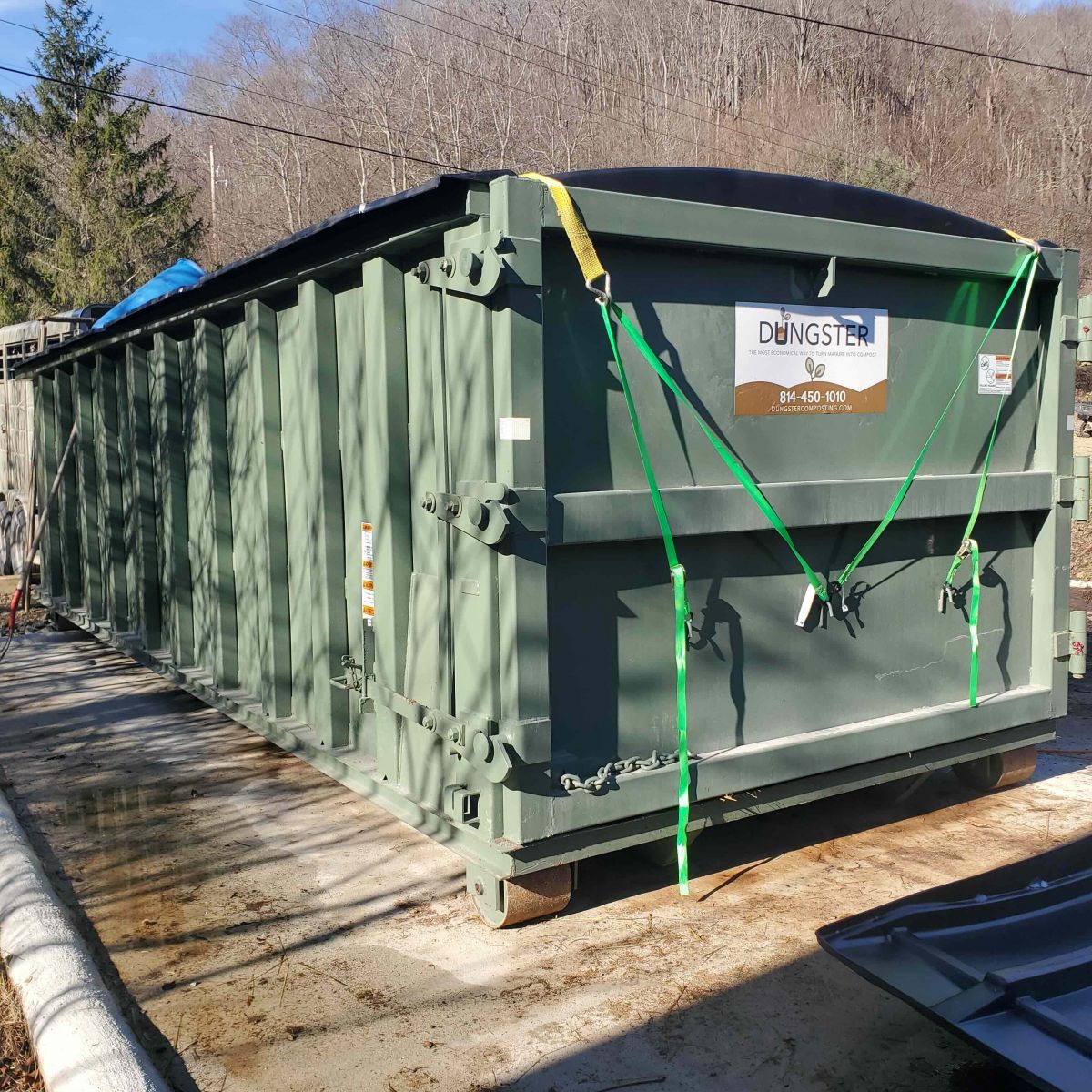
The two Dungster 30-yard units were placed end-to-end with the doors at opposite ends and a gap at the non-door end for personnel service access between the units. The aeration pipes are placed on the steel floor of the dumpsters and coarse wood chips fill the gaps between the two pipes and between the pipes and the vertical walls. No tools are required at any time to fill, operate, or empty the composters. Carcasses are placed on top of the wood chips with a matrix of corn silage separating them. Once full, the blowers are switched on, and the entire volume has outside fresh oxygen blown into the bottom layer via the pipes. Having no other exit, the air is forced vertically through the mass of carcasses and corn silage fueling the microbes with everything they need to do the decomposition work. After about a month’s time the organics are reduced in volume, and it becomes difficult to generate heat from the micro-biology work done by the microbes regardless of the air volume supplied. Failure to remain “hot,” as in plus 100F, is a signal the process has run its course and is complete.
While one of the two 30-yard units is “cooking” the other is absorbing the mortalities that occur. When the composting process is complete, the finished unit is emptied with the skid-steer, and the fresh/new compost is stacked to “cure.” A few larger animal bones pecking out are the only way to know a month before raw carcasses were loaded.
Dungster LLC supplied the dumpsters, aeration equipment and covers. The farm supplied the minimum foundation which is a pair of road-ties for each 30-yard unit. The system utilized 120VAC power that was readily available at site avoiding solar power which is available is power is not available.
To learn more about mortality composting or to speak to the user directly simply reach out to info@dungstercomposting.com.
"